Portable Toilet Planning for Construction Sites
How to plan portable toilets for a Phoenix construction site. Covers crew size, placement, heat, monsoon securing, handwashing and moving units during phases.
Projects & events
Keep your crew working and your site running with portable restrooms that fit the job. We help contractors and supers plan the right number and type of units for residential builds, commercial projects and road work across the Valley.
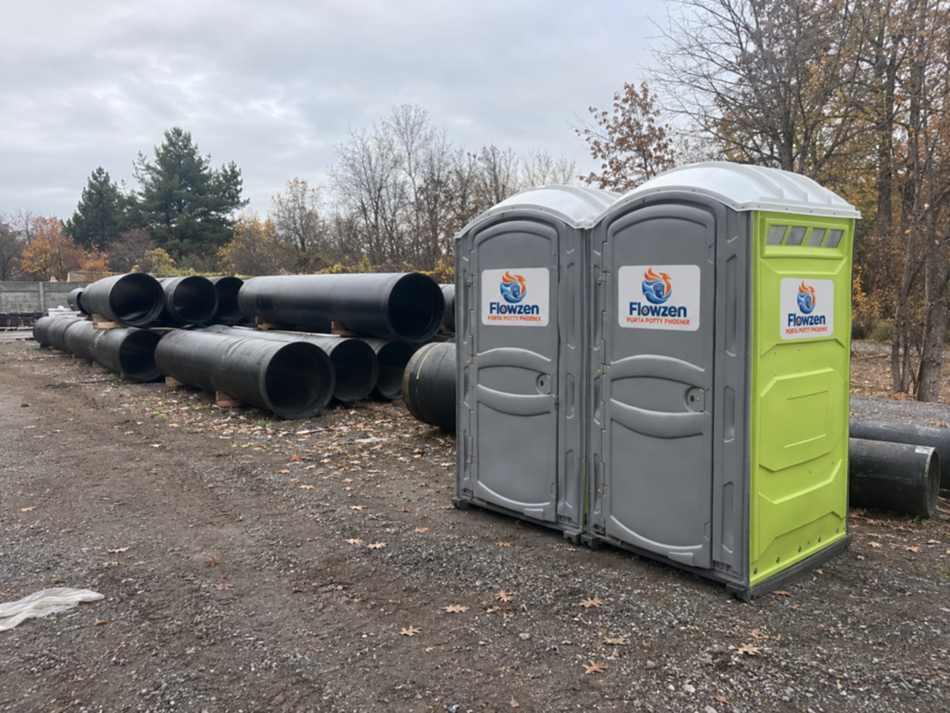
On a construction site, a portable toilet is not a convenience. It is a basic requirement that keeps people on the job instead of walking off to find a restroom. In Phoenix, the unit also has to survive months of direct sun, monsoon gusts and temperatures that can turn an unshaded plastic interior into an oven by mid morning. We work with general contractors and site superintendents to choose units that match the crew size, the length of the project and the realities of building in the Sonoran Desert.
The number of porta potties you need starts with your peak headcount and how many shifts you run. A small residential crew of four or five people has very different needs than a commercial site with forty workers spread across two shifts. Industry guidance exists on units per worker, but the right count for your site also depends on whether you have a cleaning schedule, whether the units are shared with subcontractors, and how far the nearest alternative restroom is. When you call us, be ready to describe:
That conversation leads to a unit count and a servicing plan that make sense for your actual job, not a generic formula. For more on calculating counts, read how many porta potties you need based on crew size and project length.
A standard porta potty is the workhorse on most Phoenix job sites. These units typically include a holding tank, a toilet seat, a urinal, a toilet paper dispenser and a ventilation pipe. They are compact enough to fit in a fenced laydown area or beside a job trailer. In the Phoenix heat, ventilation matters a lot, and placement in shade or under a simple canopy can make a real difference for your crew.
For longer projects or sites where handwashing right at the unit is important, a deluxe porta potty may be a better choice. These units commonly add a hand sanitizer station or a small foot-pump sink inside the same enclosure. A deluxe unit can reduce trips to a separate handwash station and may improve usage and cleanliness on sites where food is eaten nearby. Confirm the exact features with us when you call.
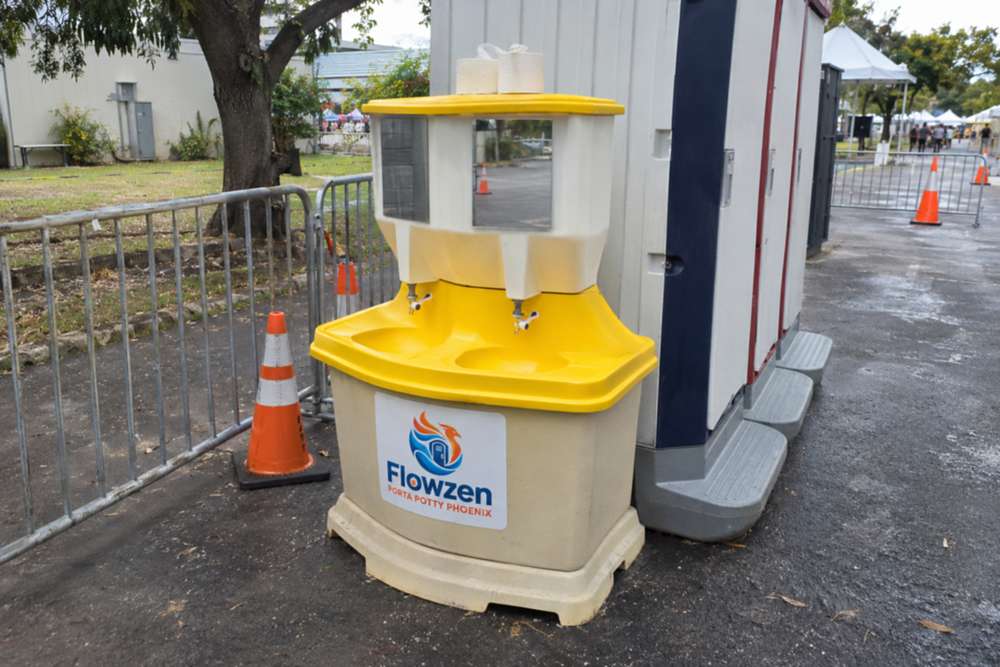
OSHA requires that construction employers provide handwashing facilities. A portable handwashing station placed near the toilets, and often near break areas, lets workers wash with soap and water without leaving the work zone. These standalone stations are typically a basin with a foot pump, a freshwater tank and a soap dispenser. On a Phoenix site, keeping the freshwater tank full and the station clean is part of the servicing discussion. We can help you decide how many stations you need and how often they should be serviced based on your crew count and site conditions.
If your crew or any subcontractor includes a person who uses a wheelchair, an ADA accessible portable restroom is essential. These units are larger than a standard porta potty, with a ground-level entry (no step up), a wider door and interior grab bars. They are also a practical option when a site visitor with a mobility need is expected. Ask us about the dimensions and interior layout so you can plan a level, stable pad that works for the unit.
Porta potty placement on a construction site is a logistics decision that changes as the job moves. Early in a project, units might sit near the site entrance or job trailer. As the structure goes up, you may need units closer to where crews are actually working, whether that is a slab pour, a framing area or a trenching operation. A few placement rules of thumb for Phoenix sites:
Tell us about your site layout, ground conditions and any access restrictions when you call. We will talk through delivery and pickup logistics so the driver can get the unit where you need it without disrupting your schedule.
From May through September, daytime highs in Phoenix routinely pass 100 F and can hit 110 F or more. Inside a standard plastic porta potty, the temperature climbs higher than the outside air. That affects everything from odor to the condition of the holding tank chemicals. A few things help:
Talk through the summer servicing plan when you call. We can help you adjust frequency as the season changes.
Monsoon storms bring sudden high winds, blowing dust and heavy rain. A freestanding porta potty can tip or slide if it is not placed carefully. On a construction site, you have options: set the unit against a site fence or a secure structure, or place it in a sheltered corner of the laydown area. If a storm is forecast, walk the site and make sure units are stable. After a storm, check that doors still close and the unit is level. If a unit gets damaged or needs relocation, call us to discuss what is needed.
A construction site is not static. The porta potties that were right for the foundation phase may be in the wrong spot during framing or finish work. We can discuss moving units during a project. Tell us the new location, ground conditions and any timing constraints. Planning those moves a few days ahead keeps the crew from working around a unit that is suddenly in the way.
A quick phone call is how you get units scheduled. To make the conversation efficient, have a few details ready:
We will ask questions about your site to make sure the delivery goes smoothly. The more you describe, the better the plan.
Regular servicing keeps a construction porta potty functional and tolerable for your crew. The servicing schedule depends on your headcount, the number of units and the time of year. During a Phoenix summer, more frequent service is common. Confirm the servicing frequency, what is included (pumping the tank, refilling supplies, cleaning the interior) and how our team accesses the site when you call us. If your site has locked gates or limited hours, work that out before the first service visit.
For a deeper look at how portable toilets work on job sites, read our article on portable toilets for construction sites. If you are comparing unit types, standard versus deluxe porta potties breaks down the typical differences.
Ready for a quote? Call us at (602) 848-6242 with your date, location and headcount. We are open daily, 7 AM to 9 PM.
The count depends on your peak crew size, number of shifts and project length. Industry guidelines exist, but the right number for your site is best worked out by phone. Call us with your headcount and schedule to get a recommendation.
Yes, units can be relocated as the job site changes. Call us to discuss the new location, ground conditions and timing so the move is scheduled without disrupting your work.
First, make sure no one is hurt and cordon off the unit. Then call us to report the issue and discuss next steps, which may include righting the unit, cleaning the area or swapping in a replacement.
Yes. OSHA requires handwashing facilities on construction sites. A portable handwashing station placed near the toilets lets workers wash with soap and water. Confirm how many stations you need when you call.
Planning guides
How to plan portable toilets for a Phoenix construction site. Covers crew size, placement, heat, monsoon securing, handwashing and moving units during phases.
Why handwashing matters at outdoor events in Phoenix, what portable handwashing stations offer, where to place them, and how to manage water in desert heat. Practical planning advice.
How long can you rent a porta potty? Learn the common rental patterns for events, weekends and long-term worksites, plus what affects rental length and servicing.
Get a quote
Call us with your date, headcount and location. Our team will talk through which portable restrooms fit and give you a quote. We are open daily from 7 AM to 9 PM.