
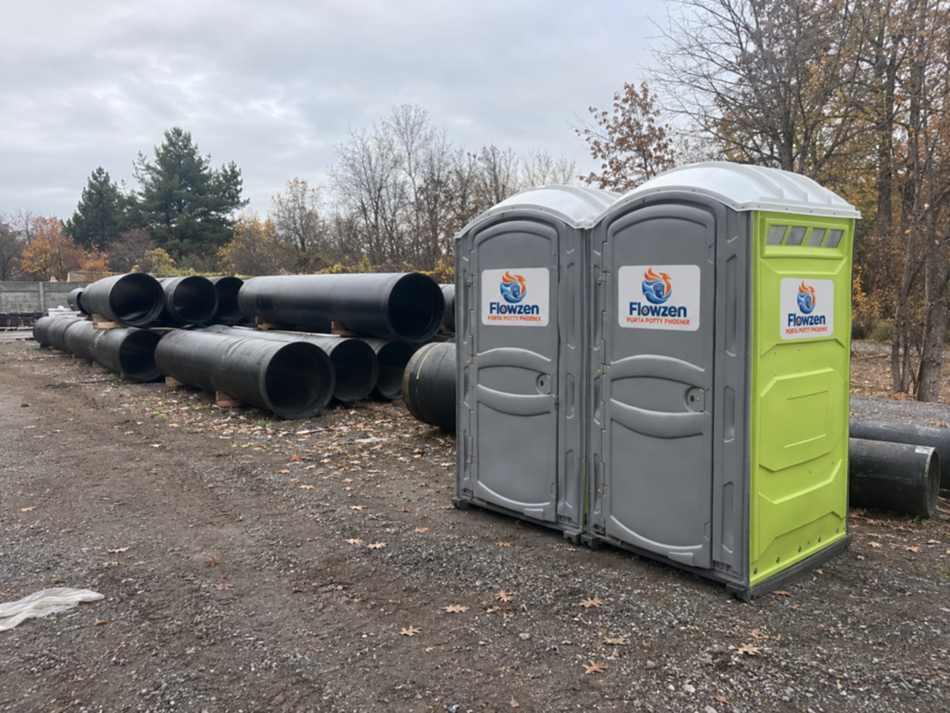
Start with the crew and the phases
The number of portable toilets on a construction site starts with the people using them. Walk through a typical day: how many workers are on site at peak, how many shifts overlap and whether subcontractors swell the headcount on certain days. That peak number drives the base count.
Construction projects move through phases, and each phase changes the crew size and where people work. A foundation pour might bring a large concrete crew for a few days. Framing spreads people across a larger footprint. Interior finishes concentrate workers inside a structure with limited access. We suggest shifting the portable toilet plan with those phases so units stay close to the active work area.
Industry guidance and OSHA requirements set a minimum for sanitation on worksites. OSHA has sanitation standards that apply to construction employers, and those standards tie the number of toilets to the number of employees. Rather than quoting a specific ratio here, the practical step is to write down your peak crew count and call us to work out the right number of units for your site. Phased projects often benefit from a schedule that adds units before a busy phase and removes them after.
If your project will run for months, think about how the crew count changes seasonally. In Phoenix, the cooler months from October through April often see a push to get framing and exterior work done before the summer heat arrives. That can mean a larger crew for a few months, then a smaller finishing crew through the hottest stretch. Planning the portable toilet count around that rhythm avoids paying for unused units or having too few when the site is full.
Placement that works for the crew and the site
Where you put portable toilets on a construction site matters as much as how many you have. Workers should not have to walk across the entire site to reach a unit. A common approach is to place units near the main work zones, within a short walk but not so close that dust, noise or vehicle traffic make them unpleasant to use.
Access for service trucks
Every unit needs periodic service, so place it where a pump truck can reach it without driving over fresh concrete, landscaping or buried utilities. On a tight urban lot in Phoenix, that might mean placing units near the street access point or a designated service lane. On a larger site, a central location on stable ground works well. We can confirm the service access requirements when you call to set up the rental.
Ground conditions and leveling
Portable toilets need a firm, level surface. In the Phoenix area, many sites have hard caliche soil or compacted gravel, which works well. If the ground is soft from recent grading, plan to place units on plywood pads or a compacted gravel base so they do not settle or tip. A unit that leans makes the door hard to close and the interior feel unstable. Check the placement spots after a rain, especially during monsoon season when a dry wash can turn into a channel.
Handwashing belongs in the plan from day one
A construction site needs a way for workers to wash their hands. Portable handwashing stations are separate units with a water tank, soap dispenser and paper towels. They are commonly placed right next to the portable toilets so the sequence is natural: use the toilet, then wash hands immediately.
On a site without running water, a standalone handwashing station meets the need. Some deluxe portable toilets include a small hand sanitizer dispenser or a sink inside the unit. A deluxe porta potty can reduce the number of separate stations needed, but for a large crew, dedicated handwashing stations give more capacity and keep the line moving.
In the Phoenix heat, handwashing stations need attention. The water inside can get hot sitting in the sun. Placing the station in shade helps, and the service schedule should include refreshing the water supply so it does not become stale or uncomfortably warm. Talk through the servicing frequency when you set up the rental so the handwashing stations stay stocked with soap and fresh water.
Heat, sun and the inside of a plastic unit
Phoenix summer temperatures routinely pass 100 F and can reach 110 F or higher. A portable toilet sitting in direct sun all day turns into an oven. The dark interior absorbs heat, and the lack of airflow makes it feel even hotter. That is uncomfortable for workers and can make the unit unpleasant enough that people avoid using it, which leads to other problems on a jobsite.
Placement is the first defense against heat. Put units on the east or north side of a structure, trailer or storage container where they get afternoon shade. If no structure exists, consider a shade canopy over the units. Even a simple frame with a shade cloth drops the interior temperature noticeably. Ventilation helps too. Standard units have a vent stack that pulls air through when the door opens and closes. Make sure that vent is not blocked by a wall, fence or tarp.
On a large site, rotating units from sunny spots to shaded spots as the project progresses can keep them usable through the hottest months. When you call to set up the rental, ask us about the service schedule during summer. More frequent cleaning and restocking matters when heat accelerates odors and breaks down consumables faster.
Monsoon wind and sudden storms
The Arizona monsoon season runs from June 15 through September 30. During those months, Phoenix gets dust storms, sudden heavy rain and strong outflow winds that can gust over 50 mph. A full portable toilet has a low center of gravity, but a nearly empty unit or one placed on an exposed rise can tip or slide in a strong gust.
Securing units against wind is straightforward. On soft ground, anchoring stakes driven through the base brackets hold a unit in place. On hard surfaces or pavement, sandbags or concrete blocks placed on the base rails add weight and stability. Do not rely on the weight of the unit alone. A tipped portable toilet spills waste, creates a health hazard and shuts down part of your site sanitation until it is cleaned and reset.
Rain runoff is another monsoon concern. Do not place portable toilets in a low spot, drainage swale or at the bottom of a slope where water ponds. Even a short, intense storm can leave a unit standing in several inches of water, making it inaccessible and creating a mess. Walk the site after a rain to see where water flows and adjust placement before the next storm.
Dust storms coat everything in fine grit. The door seals and vent screens on portable toilets can get clogged with dust, reducing airflow. A quick check after a dust storm, wiping down seals and clearing the vent, keeps the unit functional. This is a good item to add to the site supervisor's storm checklist.
Moving units as the project advances
A portable toilet is not permanent. As the work zone shifts, the units should shift with it. On a residential build, the excavation and foundation phase might put units near the street access. Once framing starts, moving them closer to the structure saves workers a long walk. During interior finishes, a unit near the entry point works well.
Moving a unit requires a service truck with a lift or a trailer. The unit is rolled onto the lift, secured and driven to the new location. The ground at the new spot needs to be ready: level, firm and accessible. Coordinate moves with us so the service schedule aligns with the new placement. A unit that gets moved but not serviced for another week might run low on supplies or fill up faster than expected.
Commercial worksites with multiple structures or long linear projects like road work have a different challenge. Units may need to leapfrog along the project corridor. A common method is to have a set of units at the current work front and a second set being prepped at the next phase location. We swap them on a schedule so there is no gap in coverage. For more on that, see our notes on commercial worksites.
ADA accessible units on the jobsite
A construction crew may include workers who need an accessible portable restroom. An ADA accessible portable toilet is larger than a standard unit, with a ground level entry wide enough for a wheelchair, grab bars and more interior space to maneuver. Having at least one accessible unit on site is a practical step that covers both workers and any visitors or inspectors who may come through.
Placement for an accessible unit needs extra thought. The path to the unit should be firm and stable, without deep gravel, mud or steep cross slopes. A temporary pathway of compacted road base or plywood can work. The unit itself needs a level pad large enough for the door to open fully and for a wheelchair to turn. We can confirm the specific dimensions and access needs when you call to discuss the rental.
Working out the schedule and service plan
A portable toilet on a construction site needs regular service. The holding tank is pumped, the interior is cleaned and supplies like toilet paper and hand soap are restocked. The service frequency depends on how many people use the unit and how many days a week the site operates. A site with 20 workers six days a week needs more frequent service than a site with five workers four days a week.
Heat and sun in Phoenix can accelerate odors and break down consumables faster than in cooler climates. During summer, a unit that would normally go a week between services might need attention every few days. Monsoon humidity adds to the effect. Talk through the expected crew count, work schedule and season when you call Flowzen Porta Potty Phoenix. We can help you set a service cadence that keeps the units clean and stocked without overpaying for visits you do not need.
For projects that run many months, a long term rental makes sense. The unit stays on site and service visits happen on a set schedule. If the crew count changes or a phase ends early, you adjust the schedule. Read more about rental periods in our article on how long you can rent a porta potty.
Questions to ask before the units arrive
A short phone call can prevent most problems. Have your crew count, site address and a rough idea of the project timeline ready. Walk the site beforehand and note where you think units should go, where the sun hits hardest and where water drains. Then call us and talk through these points:
- The peak crew count and whether it changes by phase or season
- How many accessible units the site needs
- Whether handwashing stations will be separate or combined with deluxe units
- Placement spots and whether a service truck can reach them
- How often the units will be serviced and what that includes
- What happens during monsoon storms and how to secure the units
- The process for moving units when the work zone shifts
A standard porta potty covers basic needs on most sites. For a larger crew or a project where a sink inside the unit makes sense, a deluxe model adds that convenience. Confirm the features of each unit type when you call so you get the right mix for your crew and budget.
We work with construction sites across the Phoenix area, from single lot home builds to multi phase commercial projects. Our rental team talks through your project by phone, helps you settle on a unit count and schedule, and adjusts as the job progresses. Call during business hours, 7 AM to 9 PM daily, to start the plan.
Ready for a quote? Call us at (602) 848-6242 with your date, location and headcount. We are open daily, 7 AM to 9 PM.
Frequently asked questions
How many portable toilets does a construction site need?
The count is based on the peak number of workers on site at one time. OSHA has sanitation requirements for construction employers that tie the number of toilets to crew size. Write down your maximum headcount and call us to confirm the right number of units for your project.
Where should portable toilets be placed on a construction site?
Place them close to the main work zones on firm, level ground with shade if possible. Make sure a service truck can reach each unit without driving over fresh work or utilities. Keep units out of low spots where monsoon rainwater ponds.
How do you keep a porta potty from tipping in a monsoon storm?
Anchor the unit with stakes driven through the base brackets on soft ground, or use sandbags or concrete blocks on the base rails on hard surfaces. Check the anchors after a storm and reposition the unit if it has shifted.
Should a construction site have a handwashing station?
Yes. Portable handwashing stations give workers a place to wash hands with soap and water right after using the toilet. Place them next to the portable toilets so the sequence is easy and natural.